
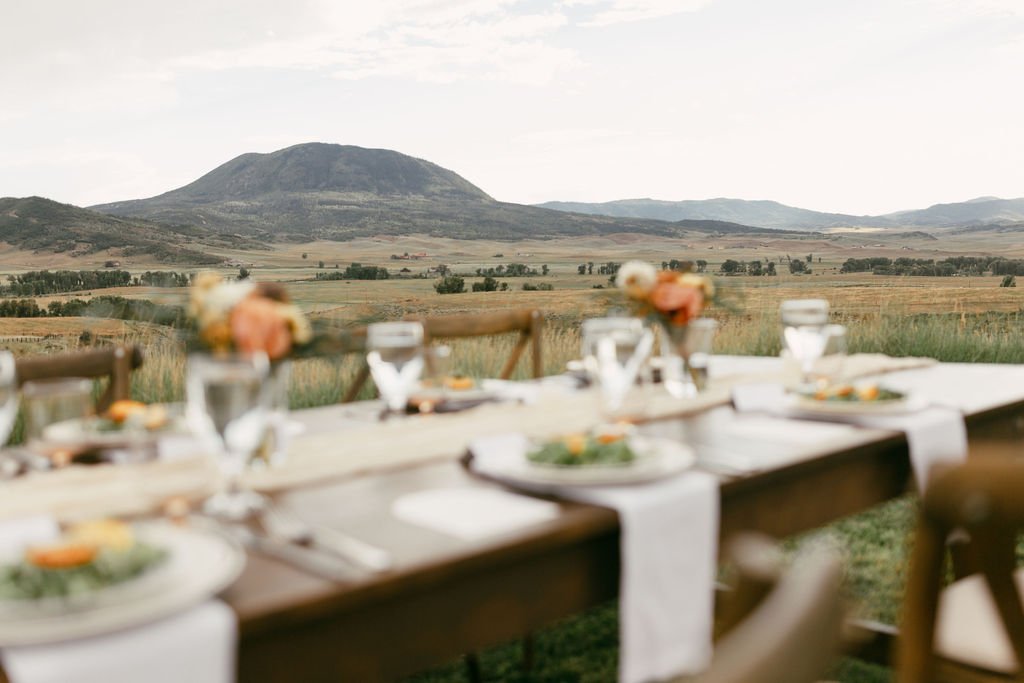
Luxury Colorado Destination Wedding Venue & Experience
Your Ultimate Guide to Planning a Destination Wedding at La Joya Dulce
A destination wedding is more than a location—it’s an intentional experience built around travel, time together, and setting that feels entirely different from home.
At its best, it’s not just about where you get married, but how the entire weekend feels for you and your guests.
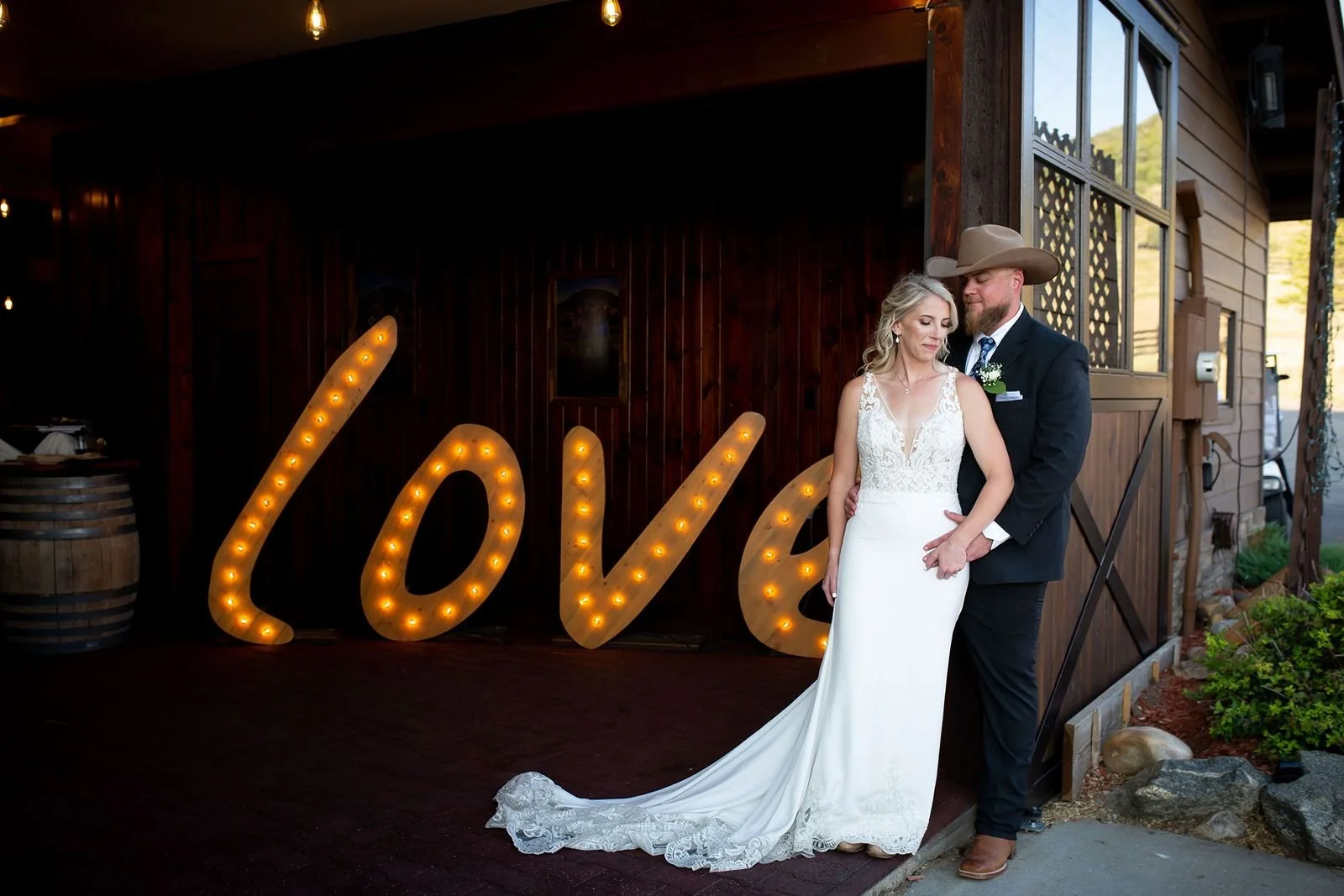
At La Joya Dulce in Colorado, destination weddings take on a more intentional form. Here, the mountains aren’t just a backdrop—they shape the entire weekend. From arrival to last dance, every part of the experience is designed to feel immersive, private, and unhurried.
This page is your guide to what a destination wedding can look like when the setting, pace, and experience all work together.
Planning a Destination Wedding in Colorado
A destination wedding is any wedding held far from home—usually 100+ miles away—where travel becomes part of the experience. Whether it’s a beachfront ceremony, a European architectural backdrop, or an alpine celebration in the Rockies, destination weddings serve couples who want something immersive, scenic, and deeply personal.
-
Built-in multi-day celebration instead of a single sprint of a day.
Smaller, more meaningful guest lists—only the MVPs make the trip.
Epic backdrops that elevate every moment.
Better quality time with guests who stay for multiple days.
Budget flexibility depending on season, destination, and guest count.
A shared adventure—everyone walks away with stories.
-
Mountain Weddings: Colorado, Rockies, Alps, Patagonia.
Beach Weddings: Mexico, Caribbean, Greece, Bali.
City Weddings: Paris, Prague, NYC, Barcelona.
Cultural & Historical: Tuscany, Kyoto, Marrakech.
Adventure-Based: Iceland, New Zealand, Banff.
-
Weather and seasonality.
Guest travel logistics—airports, transfers, accessibility.
Local lodging options—hotels, resorts, boutique inns.
Activities + culture to build out a full wedding weekend.
Budget alignment.
Your overall vibe.
-
18–12 months: choose destination, book venue, secure key vendors.
12–9 months: launch wedding website, send save-the-dates.
9–6 months: scouting trip, activities, catering, early decor.
6–3 months: finalize major details.
3–1 month: RSVPs, transportation, communication.
Week of: welcome events + confirmations.
-
Legal Requirements Around the World
Some countries require residency, some require extra paperwork, and some are a breeze. Many couples choose symbolic ceremonies abroad and legally marry at home.
Guest Experience Essentials
Welcome parties, local food integration, guest transportation, weather guidance, curated activities.
Cost Breakdown
Venue fees, travel, lodging, group meals, excursions, transportation, decor, and vendor travel.
Travel Logistics
Group room blocks, shuttles, weather backups, travel insurance, vendor restrictions.
Sustainability Tips
Local florals, seasonal food, fewer shipments, rental decor.
Destination Weddings Through the Seasons in Colorado: Finding Your Perfect Wedding Date
Choosing a destination wedding means embracing the beauty of a location while also considering the best time of year for your celebration. Each season offers unique advantages and potential challenges, depending on your dream destination. Here’s a guide to help you find the perfect season for your special day.
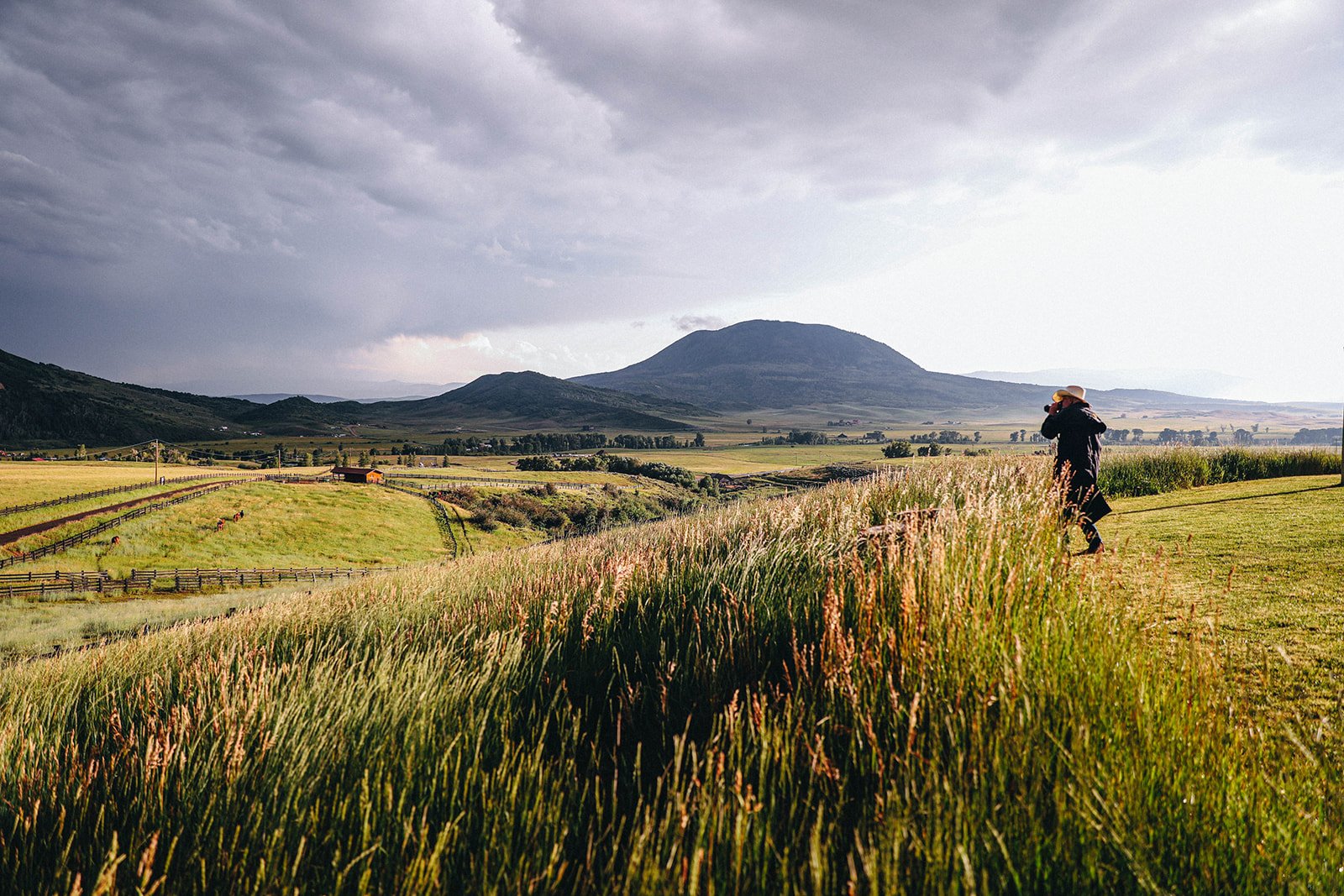
Spring: Blooming Beauty and Mild Weather
Best for: Gardens, vineyards, and coastal destinations.

Spring offers blooming flowers, mild temperatures, and a fresh, romantic atmosphere. It’s an ideal time for European countryside weddings in Tuscany or Provence, cherry blossom ceremonies in Japan, or a vineyard celebration in California’s Napa Valley. However, spring can also bring unpredictable rain showers, so having an indoor backup plan is key.
Summer: Sun-Kissed Celebrations and Beachside Bliss
Best for: Tropical islands, coastal retreats, and mountain escapes.
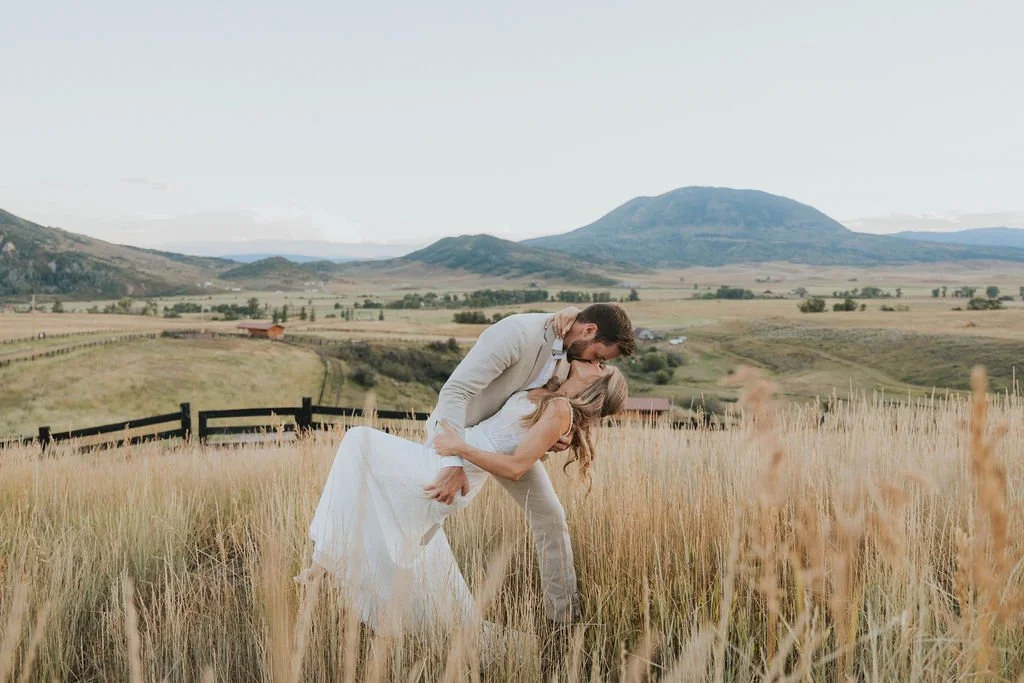
For couples dreaming of a sun-drenched wedding, summer is the peak season for destinations like Hawaii, the Caribbean, and the Amalfi Coast. Beachside ceremonies and outdoor receptions shine during these months, though popular locations can be crowded and expensive. If you are considering a summer wedding, book early and be mindful of hurricane seasons in tropical areas.
Fall: Golden Hues and Crisp Air
Best for: Rustic barns, vineyards, and historic cities.
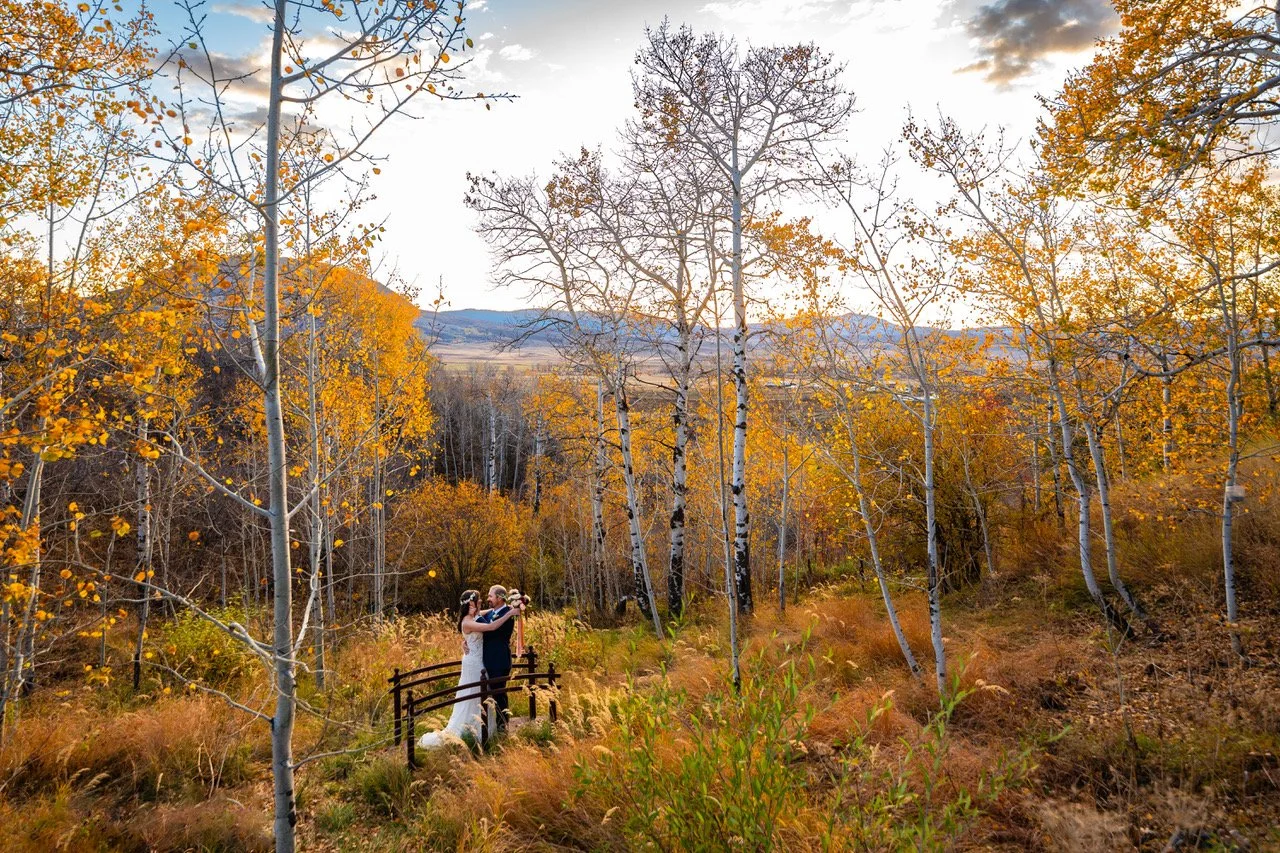
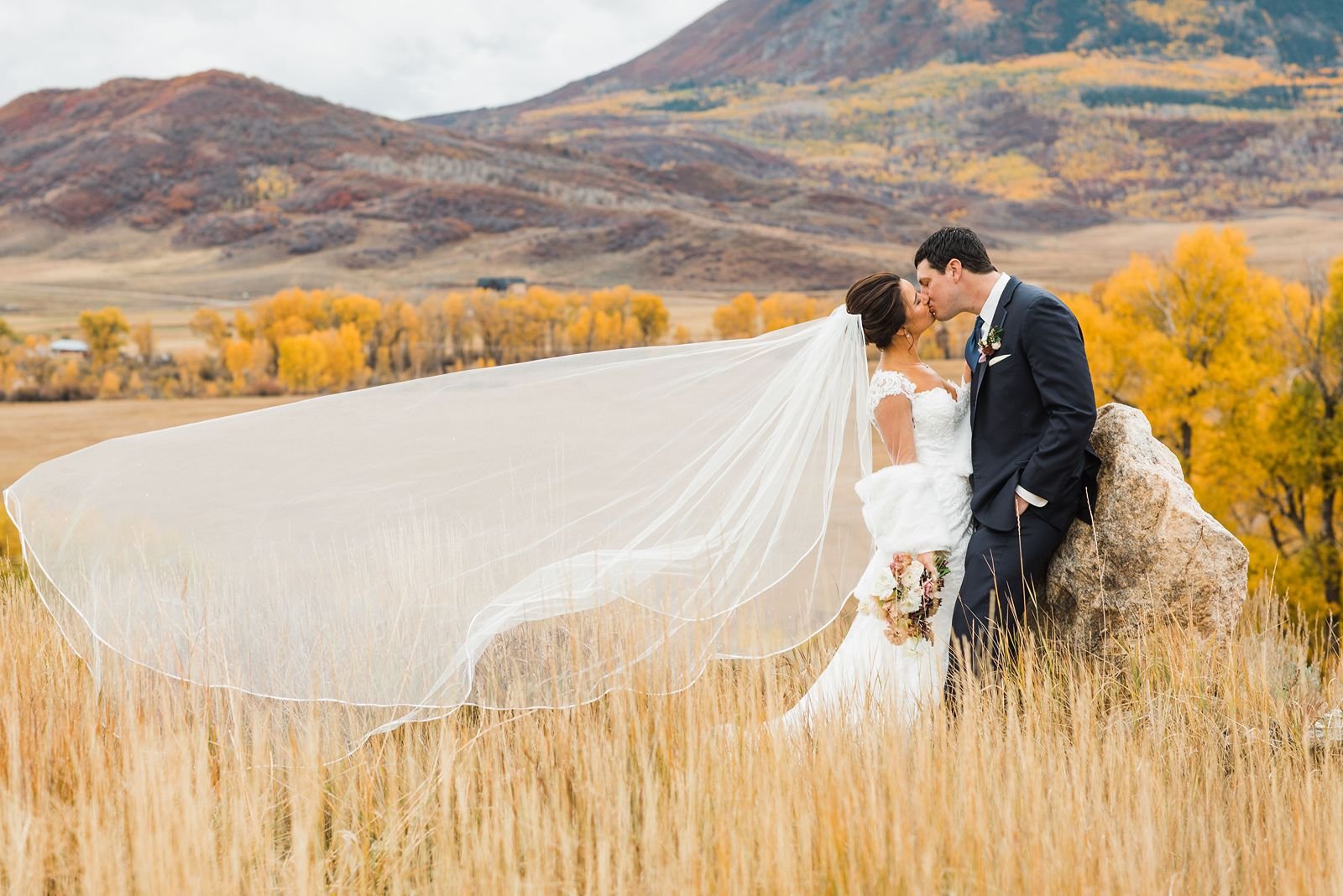
Autumn offers stunning foliage, comfortable temperatures, and fewer tourists in many sought-after locations. The changing leaves create a picturesque backdrop for weddings in places like the Colorado Rockies, New England, or the English countryside. It’s also harvest season in many wine regions, making it a fantastic time for vineyard weddings. Be sure to check for local festivals or events that may impact travel and lodging.
Winter: Cozy Elegance and Snowy Romance
Best for: Ski resorts, castles, and exotic warm-weather escapes.
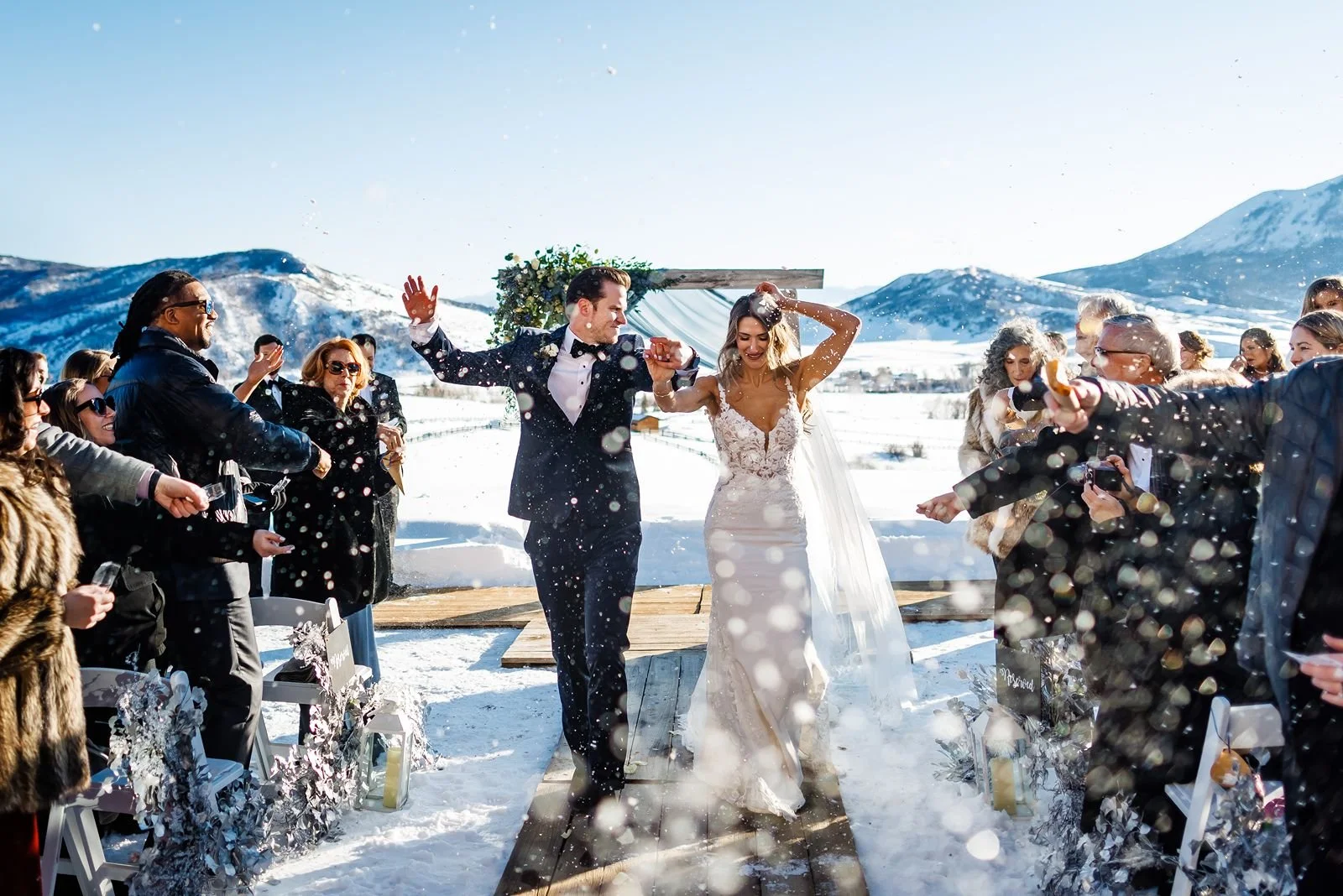
Winter is the perfect time for couples who love cozy, intimate settings or dramatic snowy landscapes. Dreamy options include alpine resorts in Switzerland, charming lodges in the Rockies, or a magical castle wedding in Scotland. Alternatively, if you prefer warm-weather destinations, consider places like Bali, the Maldives, or Australia, where it’ssummer during the Northern Hemisphere’s winter. Keep in mind that holiday travel can affect pricing and availability.
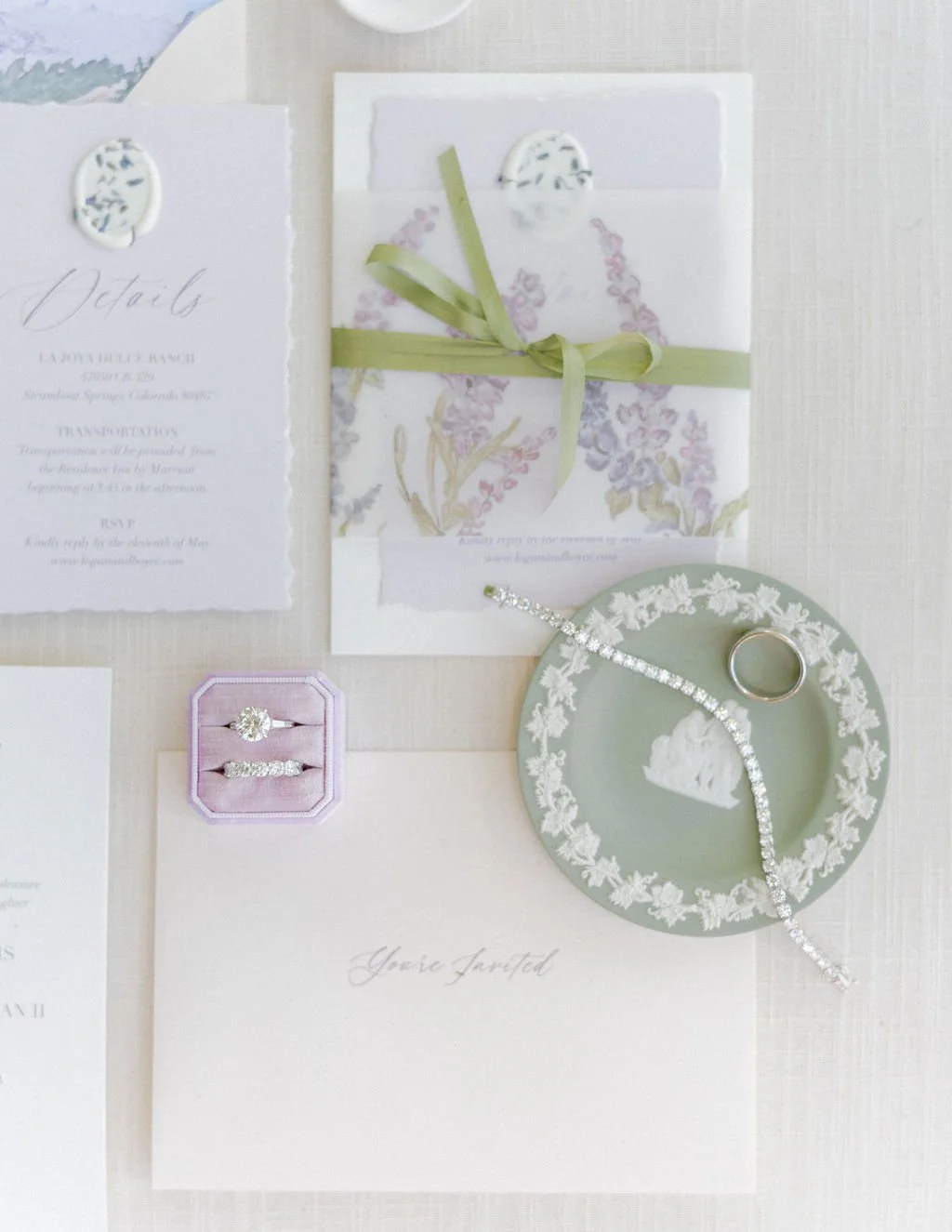
Tips for Choosing Your Destination Wedding Season:
Consider weather patterns and peak tourism times.
Research local events that might impact accommodations and pricing.
Factor in travel costs for you and your guests.
Have a backup plan for outdoor weddings.
Work with local planners who understand the area’s seasonal nuances.
No matter the season, your destination wedding will be a beautiful and unforgettable experience. Choose a time that aligns with your vision and enjoy the journey to your big day!
Spring Destination Weddings
Spring is a season of renewal, vibrant colors, and fresh beginnings—making it an ideal backdrop for a romantic, lively celebration. It’s perfect for couples who want a cheerful, airy vibe with blooming landscapes and mild temperatures. From cherry blossoms in the Pacific Northwest to alpine meadows in the Rockies, spring offers stunning natural scenery.
Why Choose a Spring Wedding?
Spring weddings allow couples to take advantage of moderate weather, lush landscapes, and a wide variety of floral options. The season symbolizes growth, new beginnings, and joy, which can be beautifully incorporated into themes, décor, and even menus. Spring also allows for both indoor and outdoor ceremonies, offering flexibility in case of rain or cooler days.

Pros of a Spring Destination Wedding
Natural Beauty: Blooming flowers, green meadows, and refreshed forests provide perfect photography backdrops.
Mild Weather: Cool mornings, warm afternoons, and less extreme temperatures compared to summer or winter.
Floral Abundance: Access to seasonal flowers like peonies, tulips, and ranunculus.
Extended Daylight: Plenty of daylight hours for outdoor ceremonies and photos.
Off-Peak Benefits: Some destinations may still be slightly off-peak, offering better pricing and availability.
Cons of a Spring Destination Wedding
Rain Risks: Spring showers can complicate outdoor ceremonies, especially in mountainous regions.
Allergy Season: Guests sensitive to pollen may need accommodations.
Unpredictable Weather: Snow may still linger in high-altitude locations like the Rockies.
Peak Spring Travel: Holidays like Easter or spring break can make travel more expensive for guests.
-
Colorado & The Rockies: Aspen, Vail, Steamboat Springs, and Breckenridge bloom beautifully in spring. Alpine meadows are vibrant, streams run full, and wildlife emerges.
Tropical Destinations: Caribbean and Mexico enjoy warm, dry weather before summer crowds arrive.
Europe: Tuscany, the French Riviera, and Santorini offer sunny skies, mild temperatures, and beautiful blooms.
-
Garden Romance: Soft pastels, florals in abundance, and light fabrics.
Rustic Revival: Wooden accents, wildflowers, and greenery to highlight emerging spring nature.
Fresh and Modern: Crisp whites, greenery, and pops of vibrant floral color.
-
Brides can wear lighter fabrics like chiffon or tulle, layered as needed for cooler mornings.
Grooms can opt for lighter suits or linen blends.
Guests should plan for temperature shifts, possibly layering for mountain destinations like Steamboat Springs.
-
Activities for Guests
Spring skiing or snowshoeing early in the Rockies.
Hiking and wildlife tours as snow melts.
Wine tastings or local farm visits in Colorado or European vineyards.
Guest Comfort
Provide lightweight blankets for mountain mornings or evenings.
Welcome bags with sunblock, bug spray, or local treats enhance comfort.
-
Use blooming landscapes as natural backdrops.
Capture early morning mist over mountain meadows or rivers.
Include seasonal blooms in detail shots of bouquets, tablescapes, and décor.
-
Spring may offer mid-range travel rates, but floral costs can be high due to seasonal demand.
Flexible lodging rates in early spring for mountain destinations.


Summer Destination Weddings
Summer is the peak season for weddings, offering long days, bright skies, and vibrant energy. It’s ideal for couples who love outdoor celebrations, sunny beach escapes, or mountain adventures. Summer weddings can accommodate larger guest lists and a wide variety of activities.
Why Choose a Summer Wedding?
Summer provides predictably warm weather, making it easier to plan outdoor ceremonies and receptions. The season is perfect for sunset weddings, al fresco dining, and festivals or events integrated into the celebration. Colorado and the Rockies shine in summer with lush greenery, wildflowers, and mountain vistas.

Pros of a Summer Destination Wedding
Reliable Weather: Warm, dry days in most locations.
Longer Days: Extended daylight for photos, ceremonies, and receptions.
Outdoor Flexibility: Perfect for beaches, gardens, mountains, and lakeside weddings.
Adventure Opportunities: Summer sports and activities for guests.
Vibrant Atmosphere: Energy, color, and local festivals to enhance the wedding experience.
Cons of a Summer Destination Wedding
High Demand: Popular venues may be booked months in advance.
Higher Costs: Peak travel season and venue rates.
Heat Considerations: Mountain peaks are cooler, but low-altitude locations may require cooling solutions.
Bugs and Allergens: Mosquitoes and pollen in certain areas.
-
Colorado & The Rockies: Steamboat Springs, Aspen, Telluride, and Estes Park bloom in wildflower glory and offer alpine hiking, rafting, and biking for guests.
Tropical Destinations: Hawaii, Bali, or the Maldives offer exotic settings, though hurricane seasons should be considered for certain regions.
Europe: Mediterranean countries—Greece, Italy, France—shine with sunny weather and vibrant culture.
-
Beach Elegance: Light fabrics, tropical flowers, and nautical details.
Mountain Luxe: Incorporate local wood, stone, and greenery for rustic-chic aesthetics.
Bohemian Vibes: Flowing fabrics, eclectic décor, and festival-like touches.
-
Lightweight fabrics for brides and grooms, breathable suits, and comfortable footwear for outdoor ceremonies.
Optional accessories like sun hats, sunglasses, and wraps for sun protection.
-
Activities for Guests
Summer skiing is gone, but rafting, zip-lining, and hiking abound in the Rockies.
Beach activities or water sports for tropical destinations.
Wine tours, sightseeing, and local cultural experiences in Europe.
Guest Comfort
Hydration stations and sun protection for outdoor ceremonies.
Consider fans or tents for shade in mountain valleys or beaches.
-
Take advantage of golden hour for sunsets over mountains or oceans.
Capture lush greenery, vibrant skies, and lively guest interactions.
-
Summer weddings can be expensive due to peak season rates, but early booking and group travel arrangements can help manage costs.

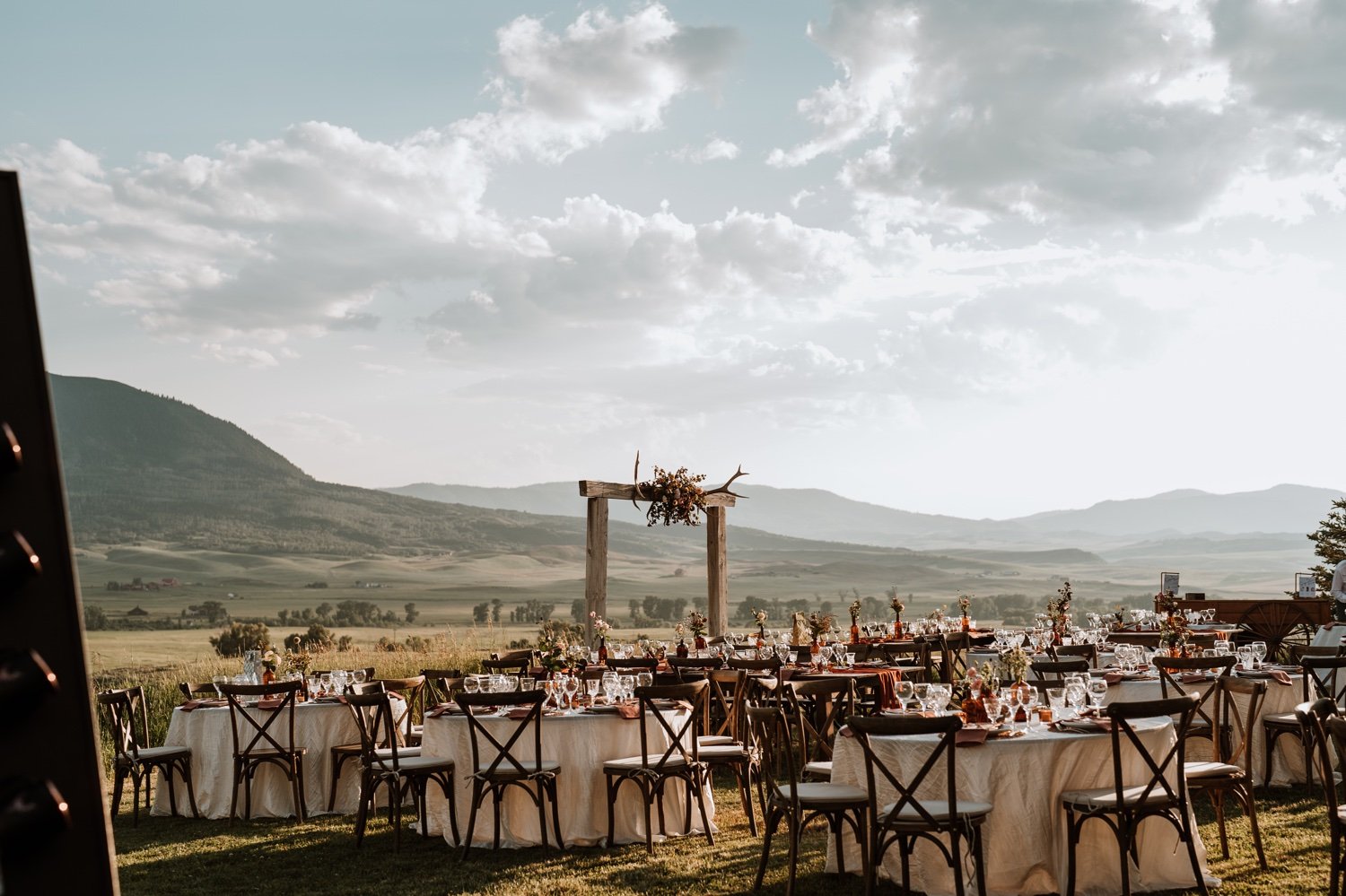


Fall Destination Weddings
Fall weddings are renowned for their rich colors, crisp air, and cozy, romantic vibe. Autumn offers a warm, inviting aesthetic and a variety of destination options, especially in mountainous or vineyard regions. The Rockies in fall are particularly stunning, with golden aspen trees and breathtaking landscapes.
Why Choose a Fall Wedding?
Fall provides a balance between mild temperatures and fewer summer crowds, making it ideal for destination weddings. Couples can incorporate seasonal foliage, harvest themes, and rich textures into their décor. The season also allows for flexible outdoor and indoor options, ideal for unpredictable mountain weather.

Pros of a Fall Destination Wedding
Stunning Foliage: Aspen, maple, and oak trees create natural décor.
Comfortable Weather: Cooler than summer but not as cold as winter.
Fewer Crowds: Popular destinations are less congested than in summer.
Seasonal Décor: Opportunities for pumpkins, gourds, and harvest-themed décor.
Culinary Options: Fall menus with local produce, hearty dishes, and seasonal flavors.
Cons of a Fall Destination Wedding
Shorter Days: Sunset comes earlier, limiting daylight for outdoor events.
Unpredictable Weather: Early snow or rain is possible in high-altitude locations.
Travel Peaks: Certain regions may still have high tourism around holidays like Thanksgiving.
-
Colorado & The Rockies: Steamboat Springs, Vail, Aspen, and Breckenridge transform with golden aspens, mountain peaks, and crisp rivers.
Vineyard Destinations: California’s Napa Valley or Tuscany, Italy, for harvest-
themed celebrations.
New England: Foliage-rich mountains and charming towns.
-
Rustic Harvest: Pumpkins, candles, wood accents, and warm tones.
Elegant Autumn: Burgundy, gold, and plum palettes with rich floral arrangements.
Mountain Cozy: Fireside ceremonies, wool throws, and intimate lighting.
-
Brides can layer with wraps or shawls; heavier fabrics like satin or crepe work well.
Grooms can wear textured suits or layered ensembles.
Guests may need light jackets or boots for outdoor mountain venues.
-
Activities for Guests
Hiking, horseback riding, or foliage tours in the Rockies.
Wine tastings and vineyard tours in fall harvest regions.
Seasonal events like Oktoberfest celebrations or harvest festivals.
Guest Comfort
Provide wraps or light blankets for outdoor events.
Consider hot beverages and seasonal treats during ceremonies or cocktail hours.
-
Capture vibrant foliage against mountain backdrops.
Utilize warm, golden-hour lighting for intimate portraits.
Rustic barns, stone walls, and fall décor make for dramatic compositions.
-
Fall may offer more reasonable venue rates than summer, with additional cost savings on off-peak travel.
Seasonal décor and local produce can reduce expenses while elevating the aesthetic.




Winter Destination Weddings
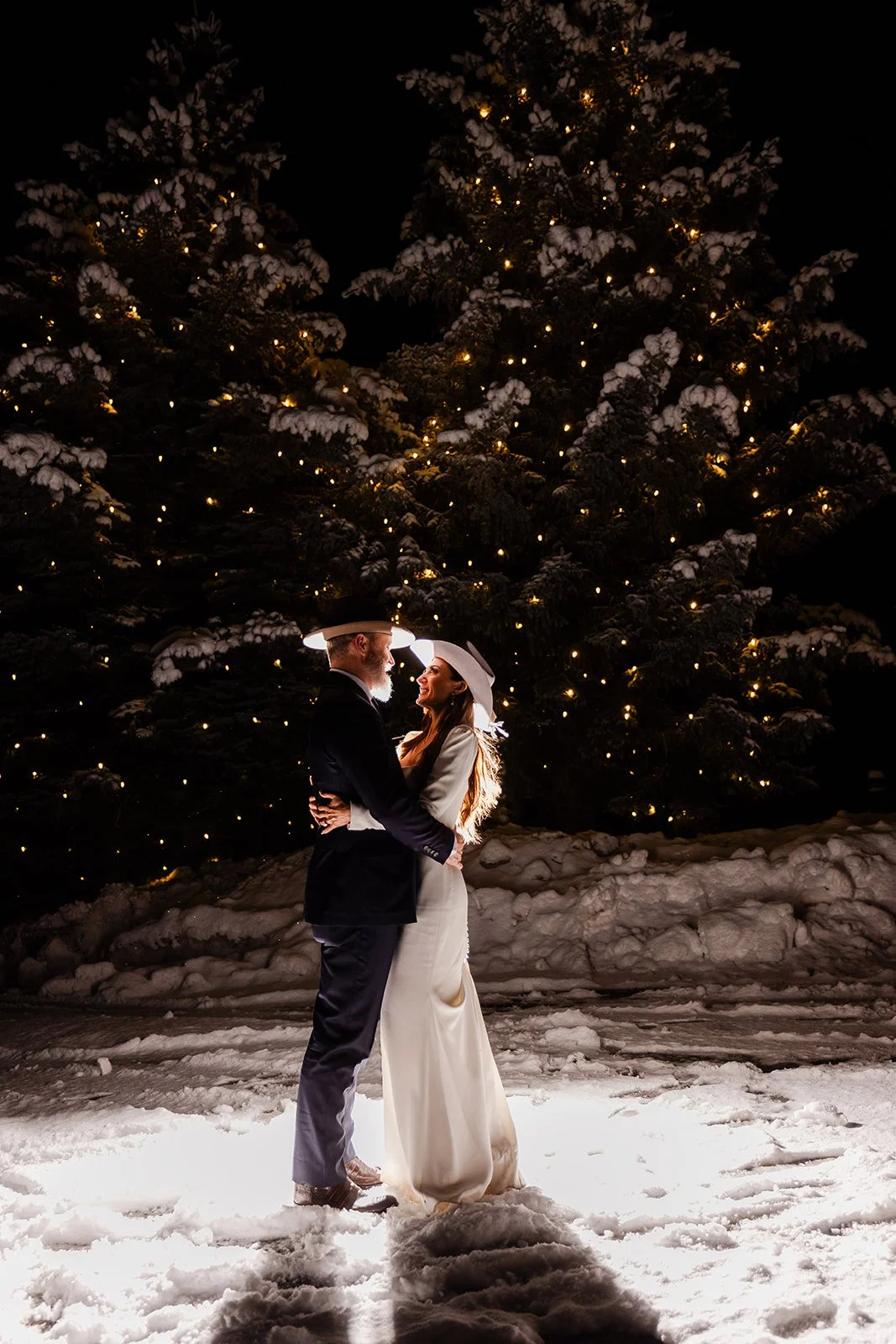
Winter destination weddings are a magical way to celebrate your love surrounded by crisp air, sparkling snow, and cozy romance. This season offers a unique charm that cannot be replicated in any other time of year—think snow-capped mountains, twinkling lights, and roaring fireplaces. For couples seeking a mix of adventure, elegance, and intimate celebration, winter provides the perfect backdrop.
Why Choose a Winter Wedding?
Winter weddings often allow for a smaller, more intimate guest list since the season is less common for travel. This can help create a personal and memorable experience where every guest feels truly included. Plus, winter venues often have off-season availability and sometimes more flexible pricing, giving couples access to premium locations that might be fully booked in spring or summer. For more inspo and info? Check out our Ultimate Guide to Winter Weddings in Colorado.

Pros of a Winter Destination Wedding
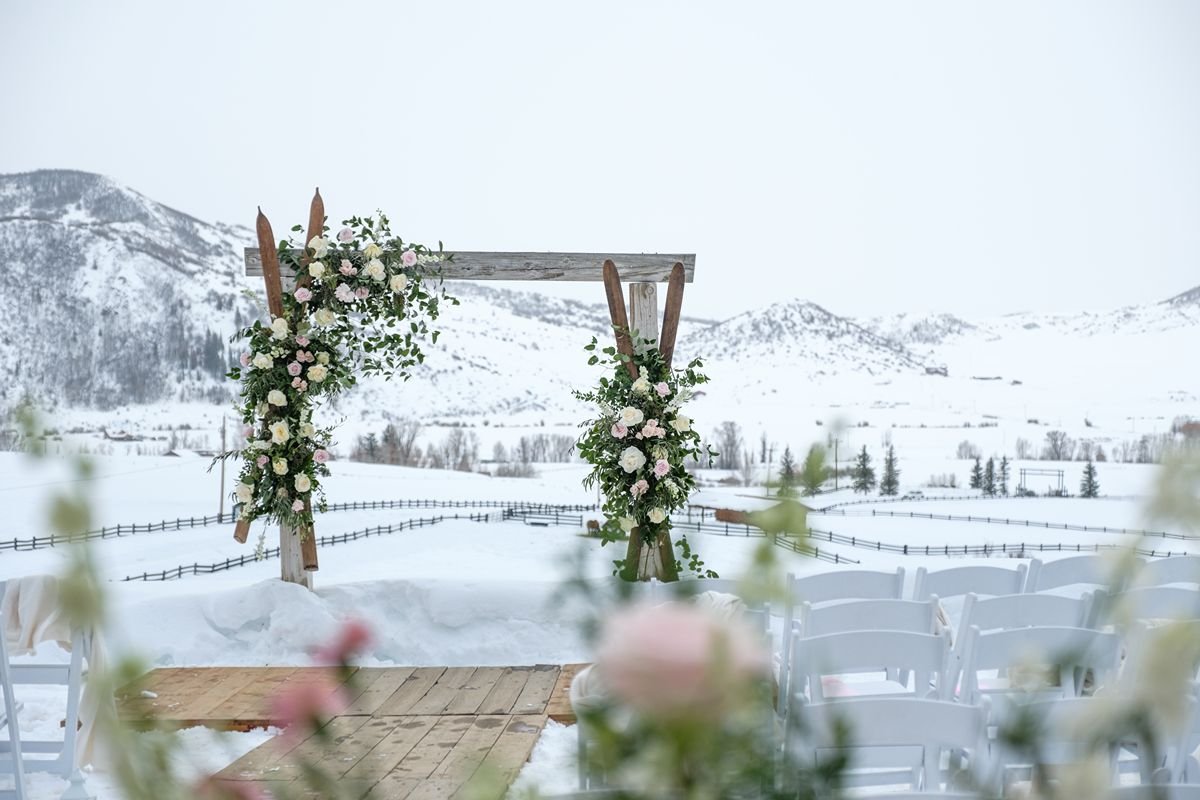
Breathtaking Scenery: Snow-covered mountains, frozen lakes, and frost-tipped trees make for magical, picture-perfect settings, particularly in places like the Rockies and Colorado.
Smaller, More Intimate Gatherings: Guests are often more selective in winter, which can create a highly personal experience.
Potential Cost Savings: Off-peak travel and lodging rates, as well as potential vendor discounts.
Unique Décor Opportunities: Winter-themed décor—think candles, string lights, evergreens, and cozy textures—is naturally aligned with the season.
Adventure Opportunities: Winter sports like skiing, snowboarding, and snowshoeing can double as unique guest experiences.
Cons of a Winter Destination Wedding
Weather Risks: Snowstorms or icy roads can impact travel or outdoor events, especially in mountainous regions like Steamboat Springs.
Guest Travel Challenges: Some guests may be hesitant to travel in colder weather or worry about flights being delayed.
Additional Comfort Considerations: Extra costs for heating, blankets, and warm attire may be required.
Limited Floral Options: Certain flowers may be out of season, which can affect arrangements unless you’re open to imported or artificial blooms.
Shorter Daylight Hours: Planning outdoor ceremonies or photography may require careful timing to maximize natural light.
-
Colorado and the Rockies: Steamboat Springs, Aspen, Vail, and Telluride shine in winter. Snow-dusted pines, frozen lakes, and mountain peaks make for breathtaking photography. Couples can host outdoor ceremonies with warming stations, or cozy indoor events with panoramic views of the Rockies.
Europe: Alpine villages in Switzerland or Austria offer a storybook winter experience with historic lodges, stone walls, and glittering snow-covered landscapes.
Tropical Escapes: For couples wanting warmth, winter is peak season for destinations like the Caribbean, Mexico, or Southeast Asia, offering sunny skies while home countries are in cold weather.
-
Winter provides a built-in aesthetic that can be elevated with thoughtful décor:
Rustic Winter Wonderland: Pinecones, evergreen branches, wooden accents, candles, and fairy lights.
Elegant Ice and Crystal: White, silver, icy blue tones with crystal chandeliers and mirrored surfaces.
Cozy Lodge Vibes: Jewel tones, soft throws, fireplaces, and seasonal treats like mulled wine or hot cocoa stations.
-
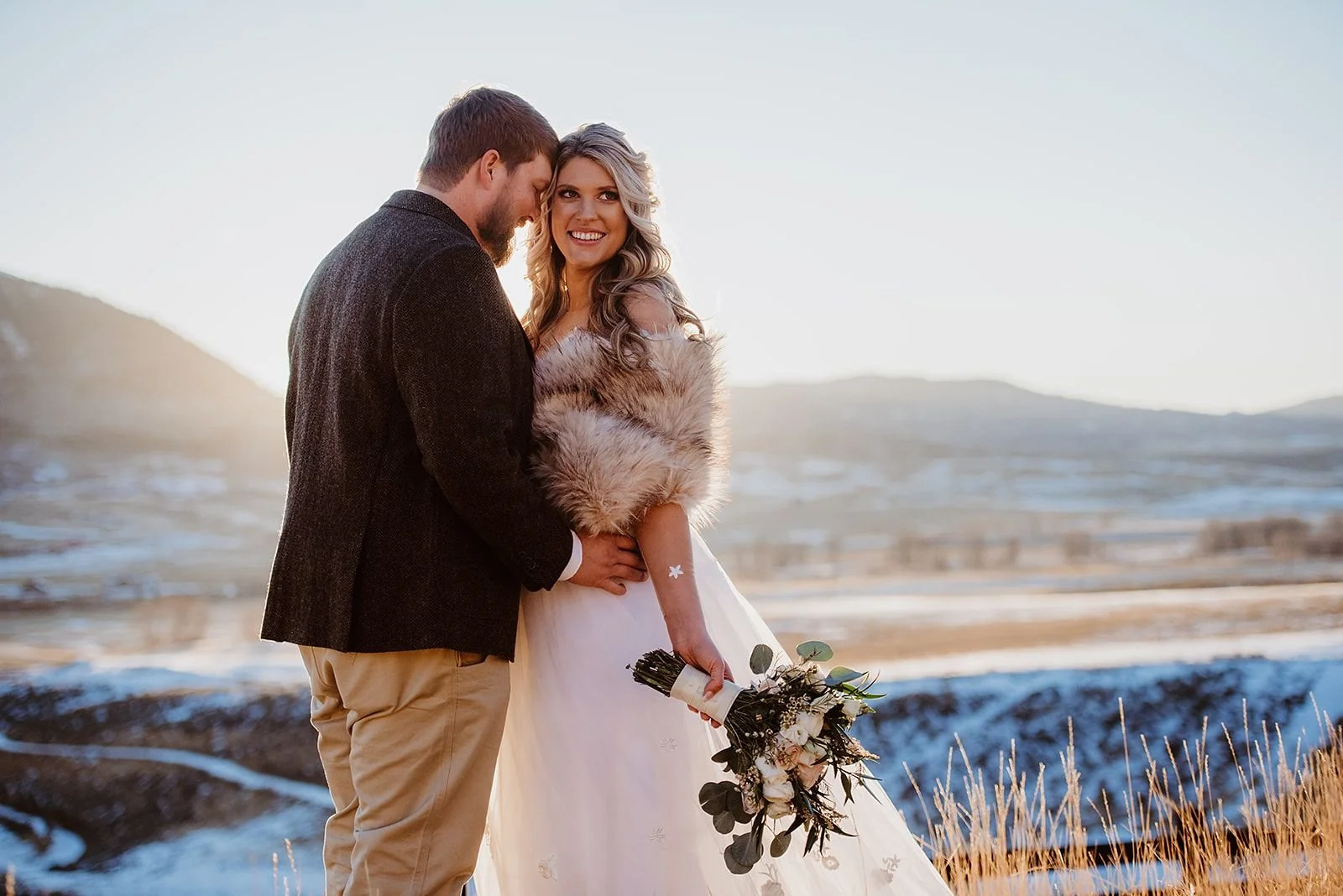
Brides can wear heavier fabrics like velvet or satin paired with capes, shawls, or faux fur wraps.
Grooms can layer with tailored coats, wool vests, and scarves. For outdoor ceremonies in the Rockies, warm footwear may be necessary while maintaining a polished appearance.
-
Activities for Guests
Winter destination weddings often double as a mini-vacation:
Skiing and Snowboarding at resorts like Steamboat Springs or Aspen.
Snowshoeing or Winter Hiking for scenic, low-impact adventure.
Après-Ski Gatherings with cozy bars, hot tubs, or fire pits.
Holiday Markets and Local Winter Events to immerse guests in local culture.
Guest Comfort
Attention to comfort is crucial: provide warm blankets, heated transportation, and on-site warming stations.
Welcome bags with hand warmers, hot cocoa, or cozy socks add a thoughtful touch.
-
Winter offers soft, diffused light and dramatic snowy backdrops. In the Rockies, you can capture alpine peaks, frozen streams, and snow-laden meadows. Evening ceremonies with lanterns, string lights, or firepits create stunning nighttime photography.
-
Winter weddings may offer lower travel and lodging rates, though you should budget for heating, seasonal décor, and attire.






Destination Wedding FAQs
-
No – but you can ask for a virtual tour.
-
9–12 months is ideal.
-
No—your job is hosting the wedding experience.
-
At least one welcome event + the wedding day.
-
Depends on the destination + venue.
-
Extremely.
-
Mountains (Colorado, Rockies, Steamboat) offer four-season flexibility, activities, and iconic scenery.
A Georgia couple escapes to Steamboat Springs for a winter elopement filled with snow, family, and quiet magic—where every detail is held, handled, and beautifully brought to life.